
No products in the cart.
Lithium vs Tubular Battery: Which Is Cheaper in the Long Run? Leave a comment
In the lithium vs tubular battery choice, most people compare the price on the tag. That makes tubular look cheaper, because one tubular battery costs far less than one lithium battery. However, the comparison changes once you count how many batteries a system needs, how much of their capacity you can use, and how often you will replace them.
Therefore, this post works through the numbers with batteries we stock at Roshanex. In addition, all prices come live from our store.
Lithium vs tubular battery: the price for a 48 V system
Most 5kW and 6kW hybrid inverters use a 48 V battery. A tubular battery is 12 V, so you need four of them in series. In contrast, a lithium battery for these inverters is already 48 V (51.2 V nominal), so you need one.
| 4 × Exide TR-1800 (185Ah tubular) | Zilo Nexa 5kWh (lithium) | Dyness DL5.0F (lithium) | |
|---|---|---|---|
| Price for the bank | Rs 227,480 | Rs 200,000 | Rs 230,000 |
| Rated energy | 8.88 kWh (48 V × 185 Ah) | 5.12 kWh | 5.12 kWh |
| Energy you can use daily | About 4.4 kWh if you stop at half charge | 4.6 kWh (90% depth of discharge) | About 4.9 kWh (95% depth of discharge) |
| Rated cycle life | Not on the datasheet we hold | 6,000 or more cycles | 8,000 or more cycles |
| Warranty | Per the brand’s warranty card | 5-year replacement, extendable to 10 | 10 years |
| Maintenance | Distilled water top-ups | None | None |
Look at the first and third rows together. A tubular bank holds more energy on paper. However, lead-acid batteries wear out quickly when you drain them deeply, so the usual advice is to stop at around half charge. As a result, four tubular batteries give you roughly the same usable energy as one 5 kWh lithium battery. So in the lithium vs tubular battery comparison, the upfront price tells only part of the story.
How long each one lasts
Lifespan is where the lithium vs tubular battery gap is widest. Zilo rates the Nexa for 6,000 or more cycles at 90% depth of discharge, whereas Dyness rates the DL5.0F for 8,000 or more at 95%. At one full cycle a day, 6,000 cycles is more than 16 years and 8,000 is more than 21. Real life is harder on batteries than a test lab, although the gap is still wide.
By comparison, tubular batteries in daily solar use typically last three to five years. The exact figure depends on heat, how deeply you drain them and whether you top up the water on time. Therefore, over the life of one lithium battery, most households replace a tubular bank two or three times.
Lithium vs tubular battery: which is cheaper?
On the day you buy, the two are closer than most people expect: Rs 227,480 for four Exide TR-1800 batteries against Rs 200,000 for a Zilo Nexa 5kWh. However, over ten years you have to buy the tubular bank again at least once, and usually twice. Therefore, in the lithium vs tubular battery contest, lithium is the cheaper option for anyone who cycles the battery every day.
Lithium (LiFePO4)One 48 V unit, no maintenance, thousands of cycles.Tap to flip
Lithium (LiFePO4)Best for daily solar use and long load-shedding. Higher price per unit, lower cost per year.
Tubular (lead-acid)Four 12 V batteries, water top-ups, shorter life.Tap to flip
Tubular (lead-acid)Still sensible for a small 12 V or 24 V UPS, an older inverter without lithium support, or a tight budget today.
Other lithium vs tubular battery differences
- Charging speed: lithium accepts a much higher charge current, so it refills in a few hours of sun. In contrast, tubular batteries charge slowly and need a long absorption stage to stay healthy.
- Space: one wall-mounted lithium unit replaces four floor-standing batteries. For example, the Dyness DL5.0F weighs 41 kg.
- Upkeep: tubular batteries need distilled water and a ventilated spot, because they release gas while charging. However, lithium needs neither.
- Monitoring: lithium batteries talk to the inverter through a built-in management system, so the inverter knows the real charge level.
When a tubular battery still makes sense
The lithium vs tubular battery decision still goes to tubular in a few cases:
- For example, your inverter is 12 V or 24 V and does not support lithium.
- Also, you only need an hour or two of backup a few times a week.
- Finally, your budget today cannot stretch, so you accept replacing the batteries sooner.
Batteries we stock
Lithium
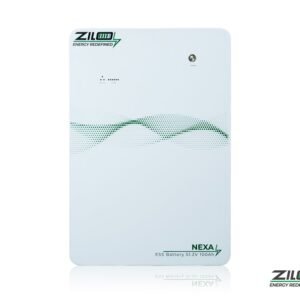 Zilo Nexa 5kWh 51.2V 100Ah Lithium BatteryRs 200,000View product
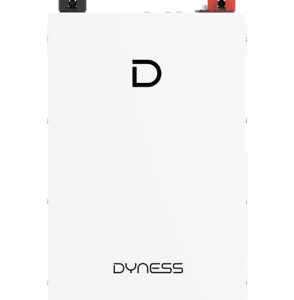 Dyness DL5.0F Lithium-Ion Battery - 51.2V 100AH IP20 5.12kWhRs 230,000View product
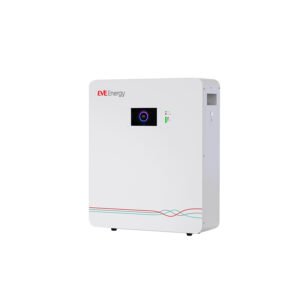 EVE 5.12kWh 51.2V Wall Mounted Lithium BatteryRs 225,000View product
Tubular
 Exide TR-1800 5P 185Ah Heavy Duty Tall Tubular BatteryRs 56,870View product
 AGS SP-2000 9PL 180AH Tall Tubular BatteryRs 66,000View product
Common lithium vs tubular battery questions
Can I replace tubular batteries with lithium on my existing inverter?
Only if the inverter supports lithium charging. However, most current hybrid inverters do. Send us your inverter model and we will confirm before you buy.
Can I mix lithium and tubular batteries?
No, because they charge at different voltages and will damage each other. Instead, use one type per system.
How many lithium batteries do I need?
One 5 kWh unit covers lights, fans, a fridge and a TV through a normal evening. However, add a second if you want to run an AC at night. You can connect both lithium models above in parallel when you need more. For the full method, see our guide on how to size a battery bank. For model choice, also see our Dyness lithium battery guide.