
No products in the cart.
A-Grade vs B-Grade Solar Panels: How to Tell the Difference Leave a comment
A-grade vs B-grade solar panels look almost the same in a shop. However, the difference decides how much power you get in ten years and whether any warranty protects you. Because B-grade stock often carries an A-grade price tag in Pakistan, it pays to know the signs.
What the grades mean
| Grade | What it means | Warranty |
|---|---|---|
| A-grade | No visible defects, and electrical output within the maker’s specification | Full manufacturer warranty |
| B-grade | Small visible defects such as colour variation, scratches or marks; output may still test within range at first | Usually none from the maker |
| C-grade | Defects that reduce output, such as cracked or chipped cells | None |
Factories sort cells and finished panels after testing. A-grade stock goes to authorised distributors, whereas lower grades leave through traders at a discount. So the A-grade vs B-grade solar panels question starts at the factory.
A-grade vs B-grade solar panels: what you can see
- Cell colour: A-grade cells look uniform. In contrast, B-grade panels often mix darker and lighter cells.
- Surface marks: look for scratches, water marks and stains under the glass.
- Busbars and soldering: lines should be straight and complete, so reject panels with gaps or smears.
- Frame and sealant: the frame should sit square, and the sealant should be even.
- Label: a missing serial number or a second sticker over the first is a clear warning.
What you cannot see
This is where A-grade vs B-grade solar panels differ most. Some defects hide inside the cells. For example, tiny cracks do not show in daylight, although they grow with heat and wind. As a result, a B-grade panel can match an A-grade panel on day one and then fall behind every year.
What documented means
Sellers in Pakistan often describe panels as documented. In general, this means the stock came through official import with paperwork that links the serial numbers to the maker. Therefore, ask to see those papers, because they are what a warranty claim depends on.
A-grade vs B-grade solar panels: the real cost
With A-grade vs B-grade solar panels, the price gap looks attractive at first. B-grade panels cost less per watt on the day you buy. However, you give up the product warranty and the power warranty. In addition, faster ageing means fewer units every year. So the cheaper panel usually costs more over the life of the system.
In short, A-grade vs B-grade solar panels differ in warranty and ageing, not in looks. The four checks in our store are simple: brand, serial number, paperwork and price. For serial checks by brand, the makers’ own sites are the place to go, for example Longi.
 Jinko Tiger Neo 645W N-Type Bifacial Solar PanelRs 25,800View product
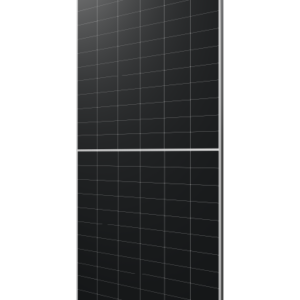 Longi Hi-MO X10 645W Bifacial Solar PanelRs 27,300View product
 Aiko 635W N Type Bificial Solar PanelRs 22,860View product
 Canadian Solar 655Watts Bifacial Mono PERC Solar PanelRs 32,750View product
Common questions
Is a B-grade panel ever a sensible buy?
Only for a small job where you accept the risk, such as a shed light or a temporary pump. For a home system that must last, choose A-grade.
Do A-grade vs B-grade solar panels differ in wattage?
Not on the label. However, a B-grade panel may deliver less than its label says, and it loses output faster.
Does a higher price prove a panel is A-grade?
No, because some traders sell B-grade stock at A-grade prices. Therefore, rely on the serial number and paperwork. Our 5kW solar system cost breakdown shows live prices for genuine panels.