
No products in the cart.
Inverter Using Grid Power When the Sun Is Out? Output Priority Settings Explained Leave a comment
Is your inverter using grid power in the middle of a sunny day? This is one of the most common complaints from solar owners in Pakistan. However, the inverter is rarely faulty. In most cases, one of three settings tells it to behave this way, so this guide explains each one.
First, check whether the draw is normal
Many hybrid inverters keep a small flow from the grid, often a few tens of watts, so that they never push power the wrong way. Therefore, a reading of 40 to 100 W from WAPDA or K-Electric on a small load is usually normal. However, if the inverter takes hundreds of watts while the panels sit idle, a setting needs attention.
Setting 1: output source priority
This setting decides which source feeds your load first. Brands use different names, although the choices are usually these:
- Utility first: the grid feeds the load, and solar only helps. As a result, the meter keeps running in full sun.
- Solar first: solar feeds the load, then the grid covers any shortfall.
- Solar, then battery, then utility: the grid comes last, so it only helps when both solar and battery run low.
If you see an inverter using grid power all day, check this setting first. For most homes, solar first is the right choice, because it protects the battery for the evening.
Setting 2: charger source priority
This setting decides what charges the battery. If it allows utility charging, you will see the inverter using grid power to fill the battery whenever it wants. Therefore, set it to solar only for daytime, unless you need grid charging before a long night of load-shedding.
Setting 3: battery return points
Hybrid and off-grid inverters switch between battery and grid at set voltage or charge levels. If the return-to-grid point is too high, the inverter leaves the battery early. As a result, you find the inverter using grid power while the battery still holds charge. So lower it within the limits your battery maker allows.
Other causes of an inverter using grid power
- The CT clamp faces the wrong way. As a result, the inverter misreads import and export. An installer can reverse it in minutes.
- The load sits on the wrong output. For example, heavy loads on the grid port bypass the solar logic on some models.
- The array is too small. When the load exceeds what the panels make, the grid fills the gap.
- A time-of-use schedule forces grid charging. Therefore, check the timer menu as well.
Setting names differ between brands, so keep the manual open while you check. For example, GoodWe documents its working modes in each model’s user manual.
When the inverter itself is the limit
Some older off-grid units cannot blend solar and grid at the same time. In that case, a modern hybrid solves the problem. Our comparison of 6kW hybrid inverters shows the options, and our guide to inverter types explains the difference.
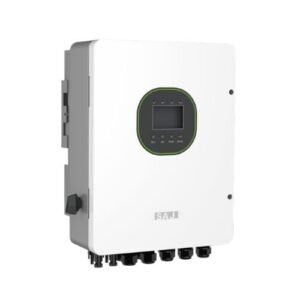 SAJ 6kW Single Phase Hybrid InverterRs 183,750View product
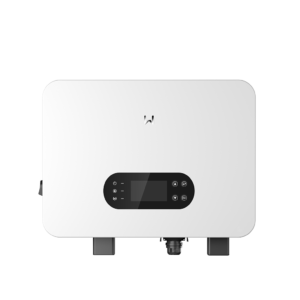 Goodwe 6kW IP66 Hybrid Solar InverterRs 190,000View product
 Sungrow 6kW Single Phase Hybrid Solar InverterRs 190,000View product
Common questions
Why does my inverter take power from the battery at night when the grid is on?
A few tens of watts is the inverter’s own standby use. However, a larger draw means the output priority puts the battery ahead of the grid, so change it if you want to save the battery.
Is an inverter using grid power a warranty fault?
Usually not, because it is a settings issue. Therefore, check the three settings above before you book a service visit.
Still stuck with an inverter using grid power? Then send us your inverter model and a photo of the settings screen, and we will tell you what to change.