
No products in the cart.
Solar Output in Monsoon: Why Your System Makes Fewer Units Leave a comment
Solar output in monsoon often surprises new owners. The system that covered the whole bill in May suddenly leaves a balance in August. However, the panels are rarely at fault. Because several things change at once in these months, it helps to know which ones are normal.
Five reasons solar output in monsoon falls
1. Cloud cover
Panels need direct sunlight for full power. Under thick cloud, they still work, although output can fall to a small share of a clear day. Therefore, a week of overcast skies cuts solar output in monsoon more than anything else.
2. Humidity and haze
Even without cloud, moist air scatters sunlight. As a result, coastal cities such as Karachi see lower peaks on hazy days.
3. Heat
Panels lose a little output for every degree they heat up. So the hottest months are not the most productive ones, even though the days are long.
4. Mud on the glass
Light rain on dusty panels leaves a film of mud. Unlike dry dust, it sticks. Therefore, rinse the panels after a drizzle.
5. Grid trips
An on-grid inverter stops whenever the grid fails, and the grid fails more often in storms. In addition, unstable voltage makes inverters disconnect for safety. As a result, solar output in monsoon loses hours that the weather alone does not explain.
Solar output in monsoon: what is normal and what is not
| What you see | Likely cause | Action |
|---|---|---|
| Lower units on cloudy days, normal on clear days | Weather | None |
| Lower units on clear days too | Dirty panels or shade | Clean, and check for new shade |
| Zero output for hours in daylight | Grid trip or inverter alarm | Check the alarm log |
| One string much lower than the other | Loose connector or damaged cable | Call your installer |
How to protect solar output in monsoon
- Rinse after light rain. For example, a quick wash in the morning removes the mud film.
- Check connectors before the season. Because moisture finds loose joints, tighten them early.
- Keep a battery charged. Then a grid trip does not stop your home.
- Trim nearby trees. They grow fast in the rains, so new shade appears.
A hybrid inverter with a battery protects solar output in monsoon, because it keeps working through grid trips, whereas an on-grid unit stops. Our guide to inverter types explains why, and our battery sizing guide shows how much storage you need.
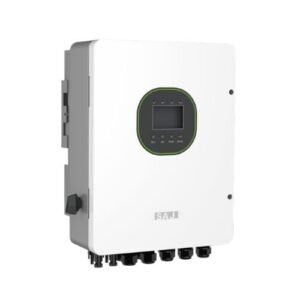 SAJ 6kW Single Phase Hybrid InverterRs 183,750View product
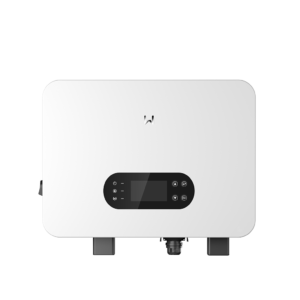 Goodwe 6kW IP66 Hybrid Solar InverterRs 190,000View product
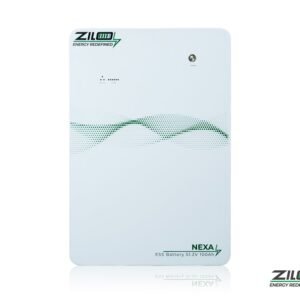 Zilo Nexa 5kWh 51.2V 100Ah Lithium BatteryRs 200,000View product
Does the yearly total still work out?
Yes. Spring and autumn usually make up for lower solar output in monsoon, so judge the system over a full year. For rated performance in heat, panel makers such as Longi publish temperature figures in their datasheets.
Common questions
How much does solar output in monsoon drop?
It varies by city and by year. However, a clear fall in July and August is normal, especially in Sindh.
Should I add panels to raise solar output in monsoon?
Not usually, because the extra panels would sit idle for the rest of the year. Instead, a battery covers the gaps better.
Can rain damage my inverter?
An outdoor-rated inverter handles rain. However, keep it under shade where you can, and check that cable entries are sealed.