
No products in the cart.
Solar Battery Under Net Billing: Is It Worth It in Pakistan? Leave a comment
A solar battery under net billing is no longer just a backup for load-shedding. Because exported units now earn very little, a battery has become the main way to keep the value of your own solar power. However, it only pays if you size it to the surplus you really have, so this guide shows how to check.
What changed for a solar battery under net billing
Under the old rules, the grid acted like a free battery. You exported a unit by day and took one back at night. Under the rules that NEPRA notified in 2026, an exported unit earns only the buyback rate, whereas a unit you buy at night costs your full tariff. Therefore, a solar battery under net billing earns the gap between those two prices.
Store or export: one unit compared
| What you do with one surplus unit | What it is worth |
|---|---|
| Export it at midday | The buyback rate, about Rs 10 to 11 |
| Store it and use it at night | Your full tariff, which is several times higher |
So every unit that goes through the battery instead of the meter is worth the difference. For example, at a tariff of Rs 50 the gain is about Rs 39 per unit.
When a solar battery under net billing pays back
- You have real surplus. If your panels make more than the house uses by day, then the battery has something to store.
- You use power in the evening. ACs, fans and lights after sunset are exactly what stored solar replaces.
- You cycle it daily. A battery that fills and empties every day earns every day, whereas one kept only for outages earns little.
In contrast, a home that already uses all its solar by day has nothing left to store. In that case, add panels first.
What size to buy
To size a solar battery under net billing, first estimate your daily surplus in units. Then choose a battery that this surplus can fill. For example, a 5 kWh battery suits a surplus of about five units a day, and a 16 kWh unit suits about fifteen. Our guide on how to size a battery bank shows the full method.
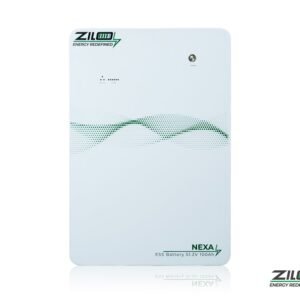 Zilo Nexa 5kWh 51.2V 100Ah Lithium BatteryRs 200,000View product
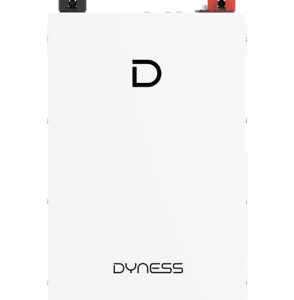 Dyness DL5.0F Lithium-Ion Battery - 51.2V 100AH IP20 5.12kWhRs 230,000View product
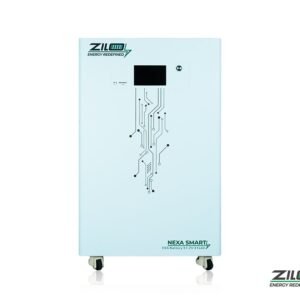 Zilo Nexa Smart 16kWh 51.2V 314Ah Lithium BatteryRs 540,000View product
 Dyness PowerBrick Plus Lithium-Ion Battery - 51.2V 314AH IP65 16.08kWhRs 585,000View product
Lithium or tubular?
For a solar battery under net billing, daily cycling is the whole point. Therefore, lithium is the right choice, because it handles thousands of deep cycles. Our lithium vs tubular battery comparison explains the difference.
Common questions
Does a solar battery under net billing work without an export connection?
Yes. A hybrid inverter can store surplus and never export. However, you then lose the small income from any surplus the battery cannot hold.
How long does a lithium battery last with daily use?
The lithium batteries we stock carry ratings of 6,000 to 8,000 cycles. At one cycle a day, that is well over fifteen years on paper.
Should I export in winter and store in summer?
The inverter handles this by itself, because it fills the battery first and then exports the rest. So a solar battery under net billing needs no seasonal settings. Our net metering guide covers the rules.